
 Share
Share 



Even with encouraging numbers from the first month of Missouri sports betting, at least one lawmaker is expressing regrets that the state has opened this up as a tax revenue-generating vehicle.
Missouri State Rep. Dirk Deaton, Republican chair of the House Budget Committee, declared the initial month of tax generation – at the 10% rate that voters approved through a referendum in November 2024 – to be underwhelming.
The Missouri Independent reported that Deaton placed blame squarely on lawmakers for not passing sports wagering legislation.
“We might as well have just made them tax free at this point … In the General Assembly, we ought to look ourselves in the mirror. It’s probably another example of something which we should have figured out and put a better framework in place.”
Lawmaker scoffs at promises made by proponents
While December sports betting in Missouri amounted to more than $543 million in handle, mostly from mobile sports operators, the combination of nearly $438 million in payouts and $125 million in free play promotions – with more than $100 million in free play coming from mobile sportsbook giants DraftKings and FanDuel alone – meant that sportsbooks collectively registered a loss in the opening month.
Even so, the state still generated around $8 million in tax revenue, figuring in approximately $521,000 from wagering taxes and nearly $7.5 million from initial license fees, said Missouri Gaming Commission Executive Director Michael Leara.
Another Missouri lawmaker, Sen. Rusty Black, Republican chair of the Senate Appropriations Committee, expressed cynicism about the initial month total and questioned whether proponents’ promises that sports betting would adequately fund Missouri education would ever come to fruition.
“Sports gaming will probably provide $100 million to education, total, as long as I don’t die in the next 10 years.”
SBA calls for patience
One proponent of sports betting revenue, Sports Betting Alliance spokesperson Jack Cardetti, told the Independent that critics should look at the bigger picture:
“Like in most states, permanent, dedicated tax revenues for education will grow significantly over time after starting small in the initial months of a new sports betting program, due to investing in marketing efforts to migrate bettors out of illegal and unregulated settings toward state-licensed operators. Missouri’s sports betting law anticipated this transition period and required millions in upfront licensing fees, with nearly $7.5 million in fees already paid to the state.”
The ranking Democrat on the House Budget Committee, Rep. Betsy Fogle, also asked for patience.
“I guess it’s not super surprising to me that we haven’t seen real dollars work their way into our revenue streams yet, and I would anticipate that those would increase as those promotionals have gone away.”
Leara also pointed out that legislators could have pushed for a higher tax rate had they enacted their own sports wagering law, rather than ceding that to voters statewide via the ballot initiative.
Black concurred that, because voters passed the initiative with the 10% rate, it effectively blocked lawmakers’ ability to adjust it.
“Because sports wagering was adopted through a voter-approved constitutional amendment, core elements such as the tax structure and allowable deductions cannot simply be adjusted by the General Assembly.”
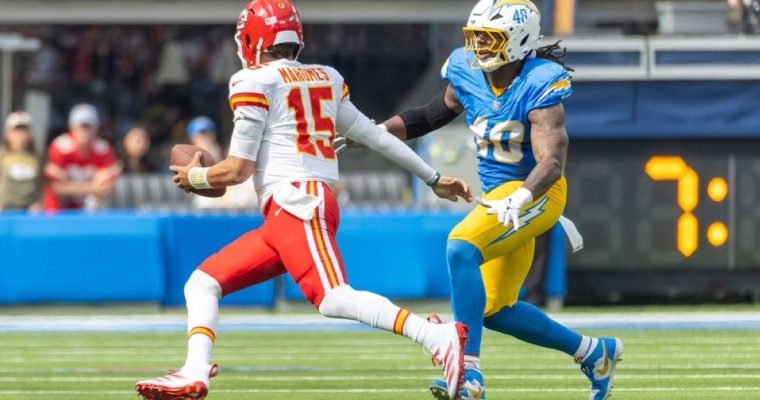
Football fuels betting in December
Legal Sports Report noted that betting on football was the biggest single draw for sportsbooks in December, accounting for 28% of the total volume ($150 million) but just 9.5% of revenue ($9.9 million).
Those numbers could swell with January’s report expected in late February, which will include the NFL playoffs and key college football national championship contests, including the final.
Then, of course, Sunday’s Super Bowl and the upcoming March Madness tournament will provide a potential boost, being arguably the two biggest sports betting events of a year that will also include a US-co-hosted World Cup and the forthcoming Winter Olympics.