

 Share
Share 



In December, a long, involved process to legalize Missouri sports betting came to fruition, with more than half a billion dollars wagered statewide during its first month.
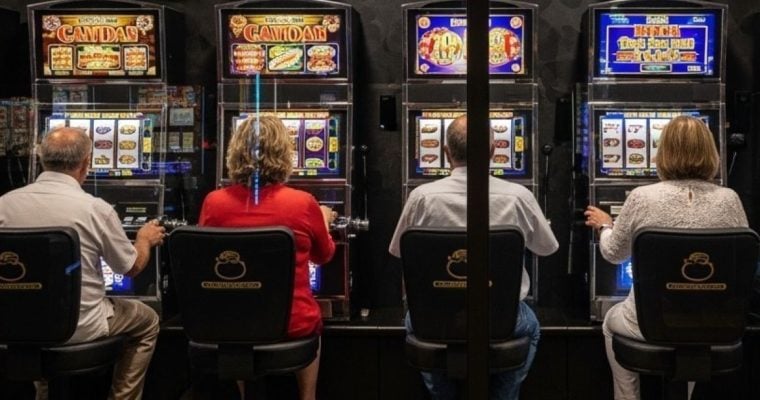
Could legalizing and regulating video lottery terminals (VLTs) be next?
Last week, Missouri lawmakers spent three hours hearing arguments for and against legalizing the machines, already a presence in gas stations and other retail establishments across the state.
Bill calls for 2-year transition period
According to reporting from St. Louis NPR affiliate KCUR, Missouri state Rep. Bill Hardwick (R-Dixon) sponsored legislation for a second straight year, offering a pathway for the state to issue licenses to manufacturers, distributors, operators, and retailers, and provide regulation for a so-called “gray market” industry functioning without what some consider adequate regulation.
Hardwick said the state is losing out on a lot of tax dollars.
“This gaming is happening throughout the state with no rules, regulations. I think that people in the state overwhelmingly would like to see at least some rules and regulations, some confines to it. And if that activity is happening, they would like to see it taxed in a way similar to the way we think gambling should be taxed.”
The Missouri Independent reported that the bill offers a two-year transition period to provide the necessary regulatory framework around the VLTs:
“The Missouri Lottery would have authority to license video games for installation in retail locations across the state. The licensed machines would have to pay out at least 80% of the money wagered as prizes and about one-third of the profits would be dedicated to state education programs. The bill would also impose a 3% tax on video lottery profits to aid local governments and would increase the fee casinos pay for each patron who enters the gaming floor from $2 to $4.”
KCUR’s reporting added that “operators of the machines must pay the lottery commission 31% of the adjusted gross gaming revenue. Of that revenue, the commission is to keep the amount necessary to cover administrative expenses. The rest would be split evenly between public elementary and secondary education and public institutions of higher education.”
Measure allows counties and states to opt out
Hardwick predicts that revenue from VLTs would generate up to $600 million annually for education, while the increased casino boarding fee and other licensing fees would generate up to $55 million for veterans programs statewide.
By comparison, during the most recent fiscal year ending last June 30, the state generated $700 million for education, split between $364 million from casino taxes and $337 million from the lottery.
It should be noted that passage of the bill as it’s worded today wouldn’t guarantee that VLTs would be legal everywhere in the state. Individual counties and municipalities would have the option to adopt ordinances banning VLTs within 90 days of the bill becoming law.